Engineering Solutions for Complex Systems
Tschanz Technologies provides advanced modeling, simulation, and data-driven analysis to help engineering teams understand system behavior, predict performance, and reduce risk across complex, high-impact applications.
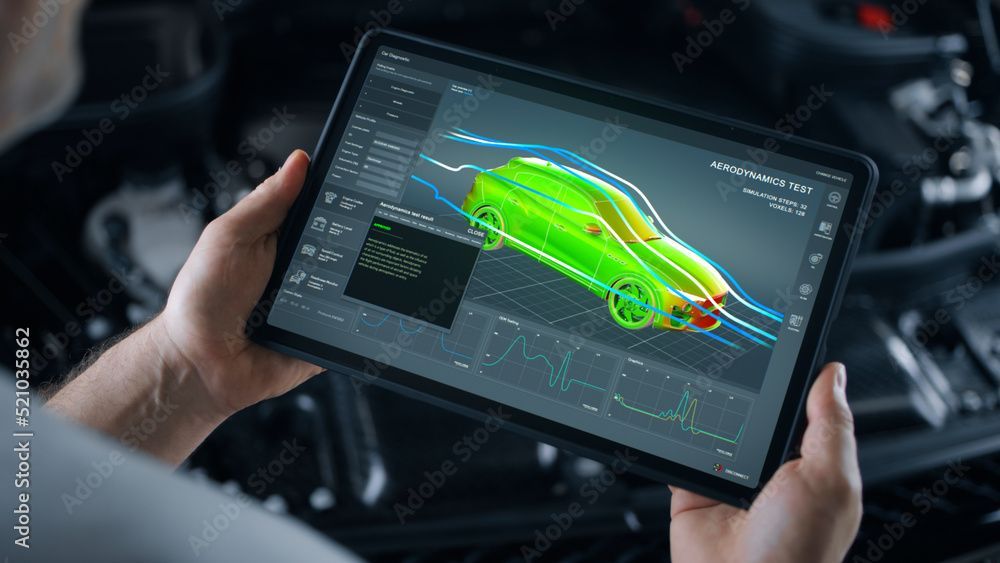
Modeling & Simulation
We develop physics-based and system-level models that capture real-world behavior across mechanical, electrical, and software-driven systems. These models support design decisions, performance evaluation, and failure analysis before costly physical testing occurs.
Typical applications include:
- Dynamic system modeling
- Multiphysics simulation
- Control system analysis
- Performance and sensitivity studies
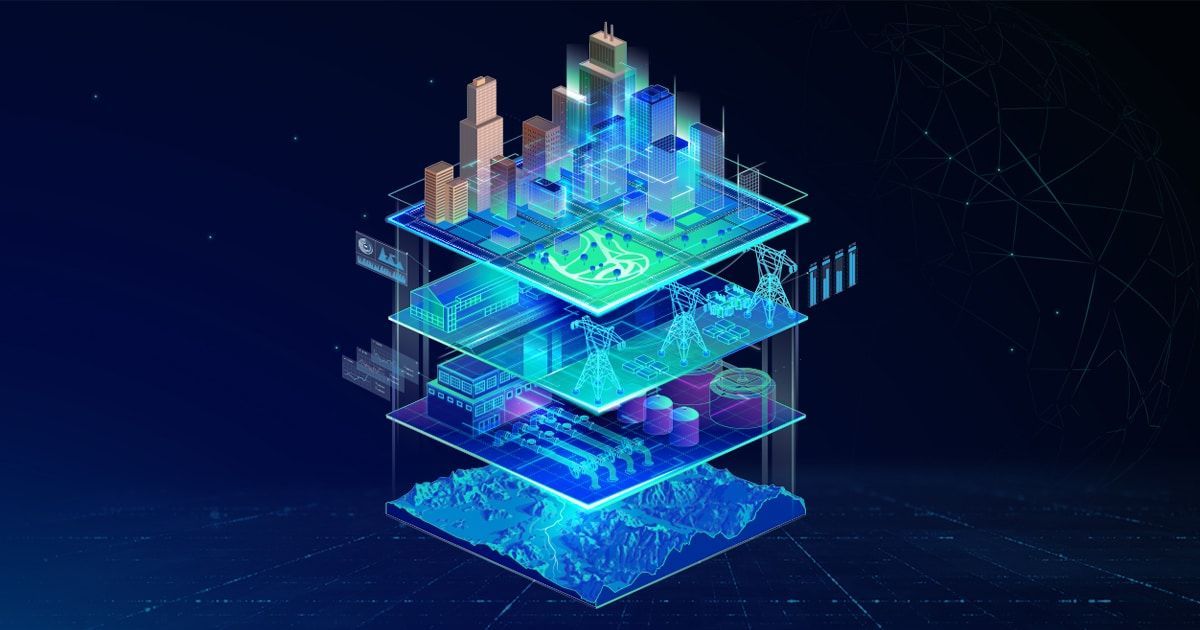
Digital Twin Development
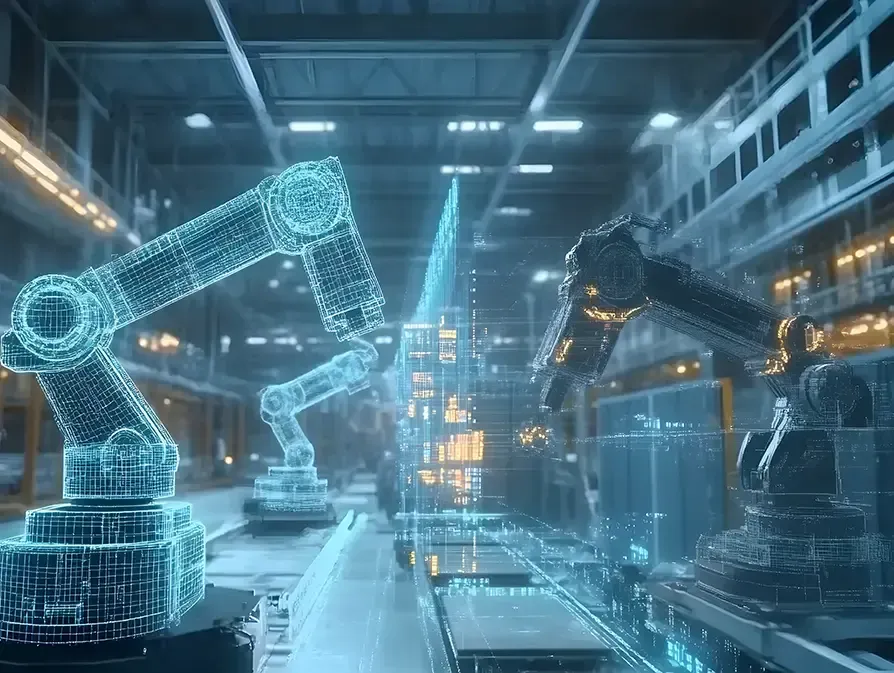
Digital twins provide a continuously evolving model of a physical system, enabling deeper insight into performance, degradation, and operational behavior. We design digital twins grounded in physics and informed by data to support sound operational decision-making.
Typical applications include:
- System health monitoring
- Lifecycle performance analysis
- What-if scenario testing
- Operational optimization
Predictive Analytics
& Machine Learning
We apply data-driven methods alongside physics-based models to predict future system behavior. This hybrid approach improves reliability and confidence compared to purely statistical methods.
Typical applications include:
- Predictive maintenance
- Anomaly detection
- Remaining useful life estimation
- Performance forecasting
Simulation for Control
& Automation
We support the design and validation of control strategies through simulation-based testing. This enables safer iteration, improved stability, and better system performance before deployment.
Typical applications include:
- Robotics and autonomous systems
- Control law validation
- Sensor and actuator modeling
- Closed-loop system analysis
Custom Engineering Analysis
Not every problem fits a predefined category. We work closely with engineering teams to develop custom models, simulations, and analyses that address specialized or novel system challenges.